

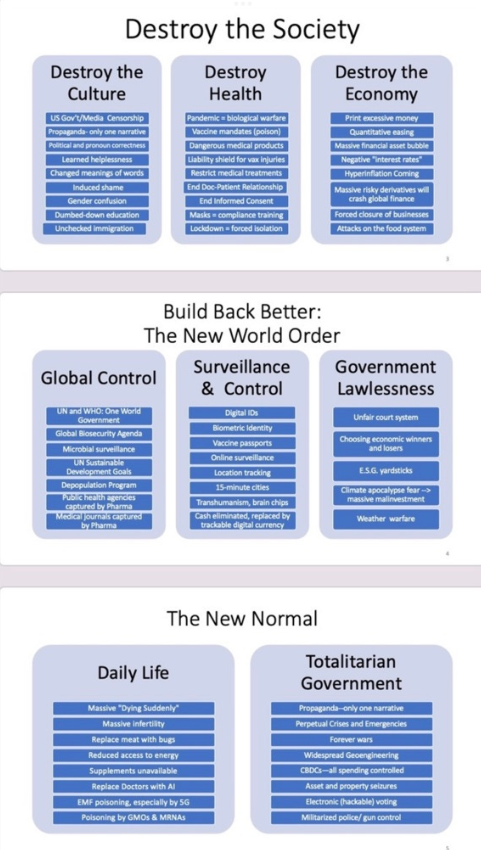
If you’ve ever felt that world events are less a series of random accidents and more a grand chess match, you’re not alone. From the halls of government to the boardrooms of global banks, a pattern emerges: crises erupt, panic ensues, and, almost as if on cue, a “solution” appears, one that always seems to consolidate more power in fewer hands. This is the classic “problem, reaction, solution” strategy, often linked to the Hegelian dialectic, where the crisis is not just managed but manufactured, and the “solution” is the endgame all along.
Let’s start with the numbers. Global sovereign debt has reached historic highs, with the Institute of International Finance (IIF) reporting world debt at over $313 trillion in 2024, more than 330% of global GDP. This is not a new trend: every major war or crisis in modern history has been preceded by a debt binge, followed by a “reset” that wipes the slate clean for the powerful, while ordinary people pay the price.
If you believe the headlines, the world is simply a chaotic place: wars in Ukraine and the Middle East, tensions in Taiwan, riots in the US, and a parade of “unexpected” disasters. But what if these are not just accidents, but moves in a calculated game? The theory goes like this: when the debt becomes unpayable, the system needs a reset. But to justify the pain of that reset, loss of savings, new controls, a new currency, you need a crisis of epic proportions.
The Hegelian Dialectic in Action
- Problem: Escalating debt, social unrest, pandemics, and war.
- Reaction: Public fear, demand for safety, and willingness to accept new restrictions.
- Solution: Pre-packaged reforms, digital currencies, surveillance, and global governance, that would never have been accepted in normal times.
The ultimate goal? A single global system, one government, one health authority, one digital currency. The evidence is everywhere: the push for global health treaties, the rise of digital ID and CBDCs, and the relentless march toward “harmonized” regulations. The sovereign debt crisis is not a bug, but a feature, a pretext for the final consolidation of power.
The Numbers Don’t Lie
- Sovereign Debt: Off the charts, with no realistic path to repayment.
- Currency Debasement: Since leaving the gold standard, the US dollar has lost over 90% of its value.
- Centralization: Every crisis brings more power to the center, less to the individual.